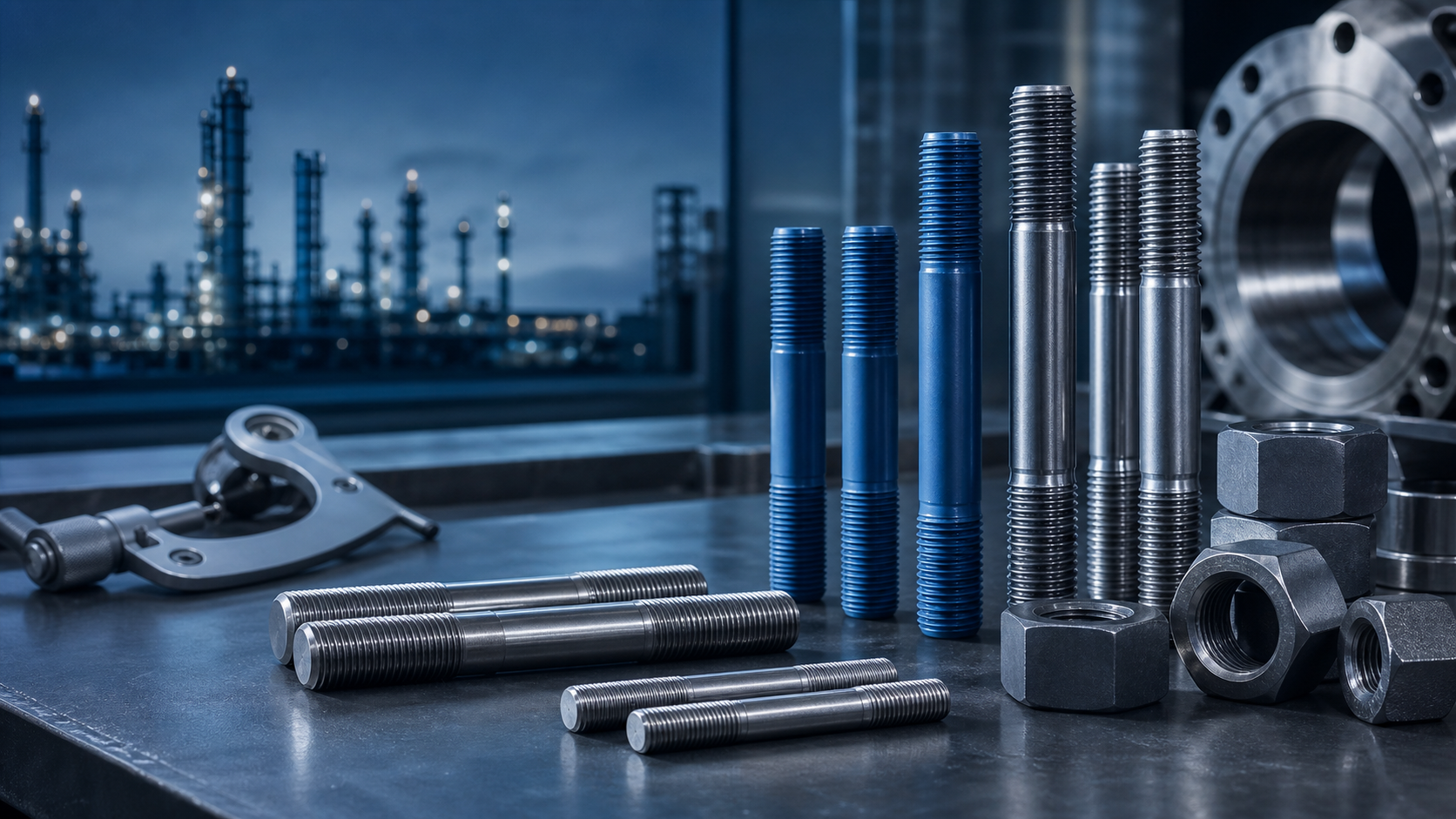
StandardsASTM A193 vs ASTM A320:what is the real difference?
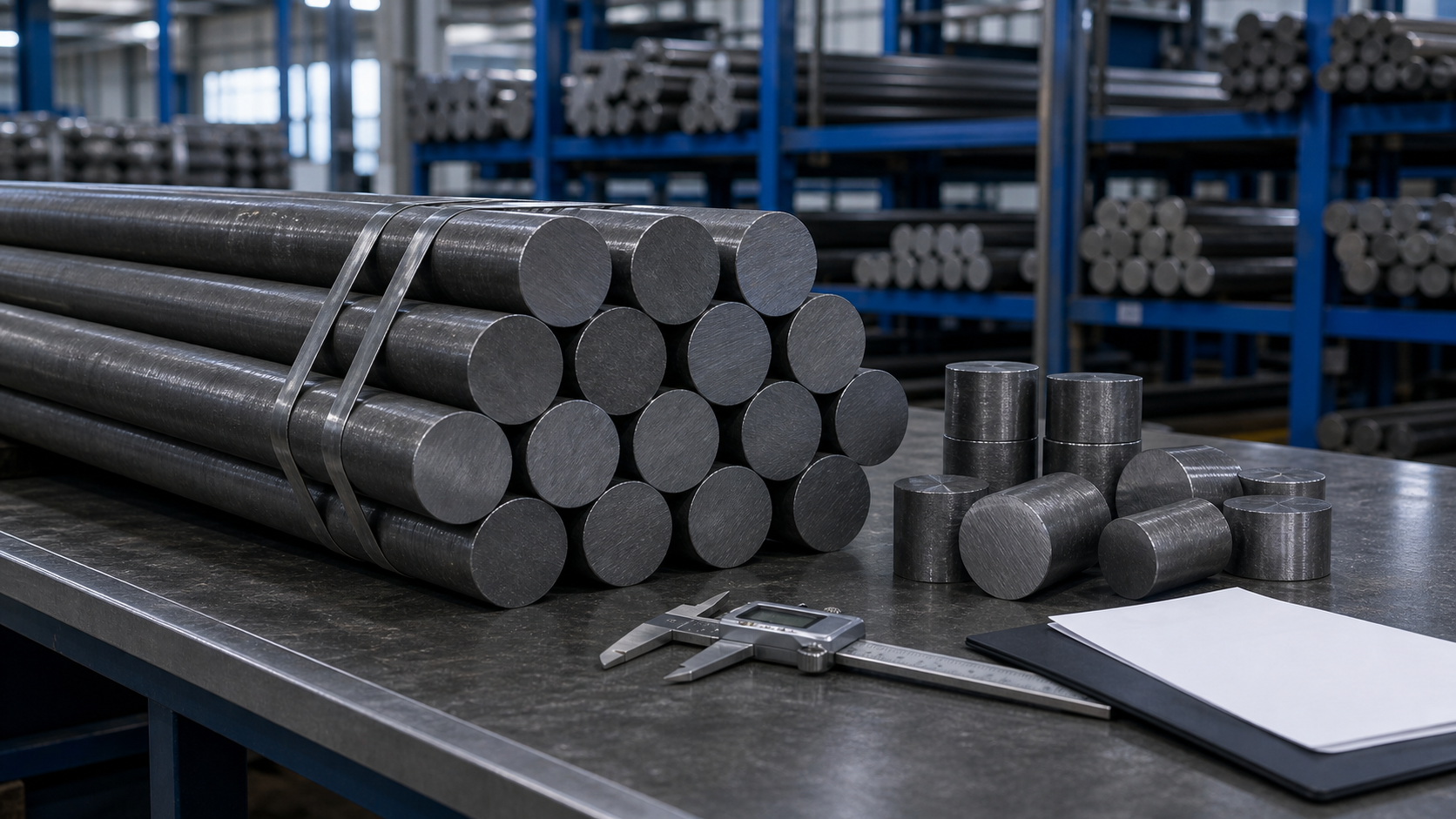
A193 is generally used for high-temperature or high-pressure bolting service,while A320 is used for low-temperature service. The practical difference is not just the name:grade,material condition,testing,and application temperature all affect selection.
Grade SelectionHow to choose B7,B8,and B8M stud bolts
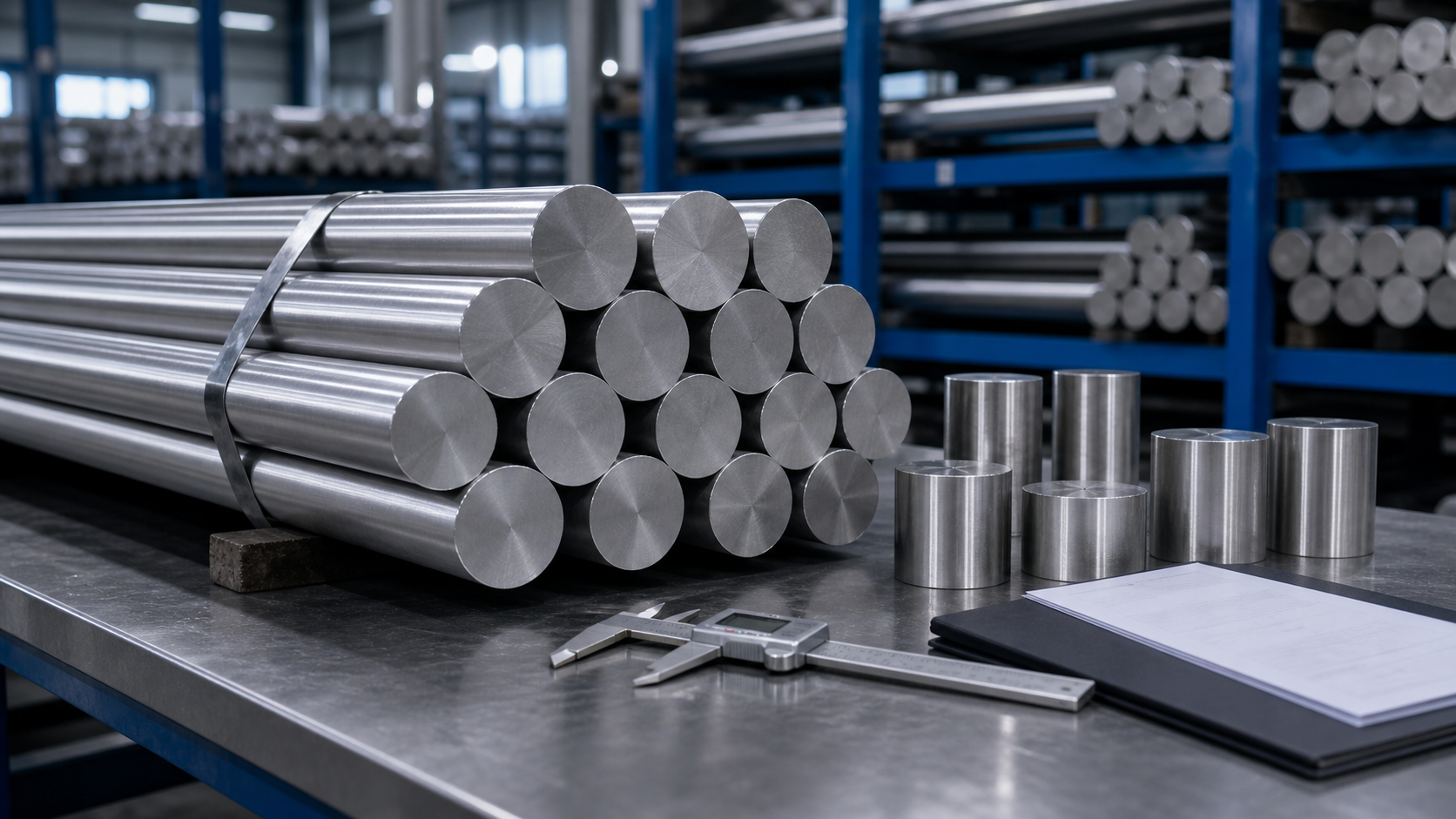
B7 is an alloy steel strength-focused choice. B8 is 304 stainless for low-temperature stainless applications. B8M is 316 stainless when corrosion resistance is more important,especially offshore,chemical,or coastal environments.
ClassCL1 vs CL2:why class matters for stainless bolting
Class designations relate to material condition and mechanical property requirements. Buyers should not treat CL1 and CL2 as interchangeable;the class must match the drawing,project specification,and required mechanical properties.
MeasurementHow to measure a stud bolt correctly
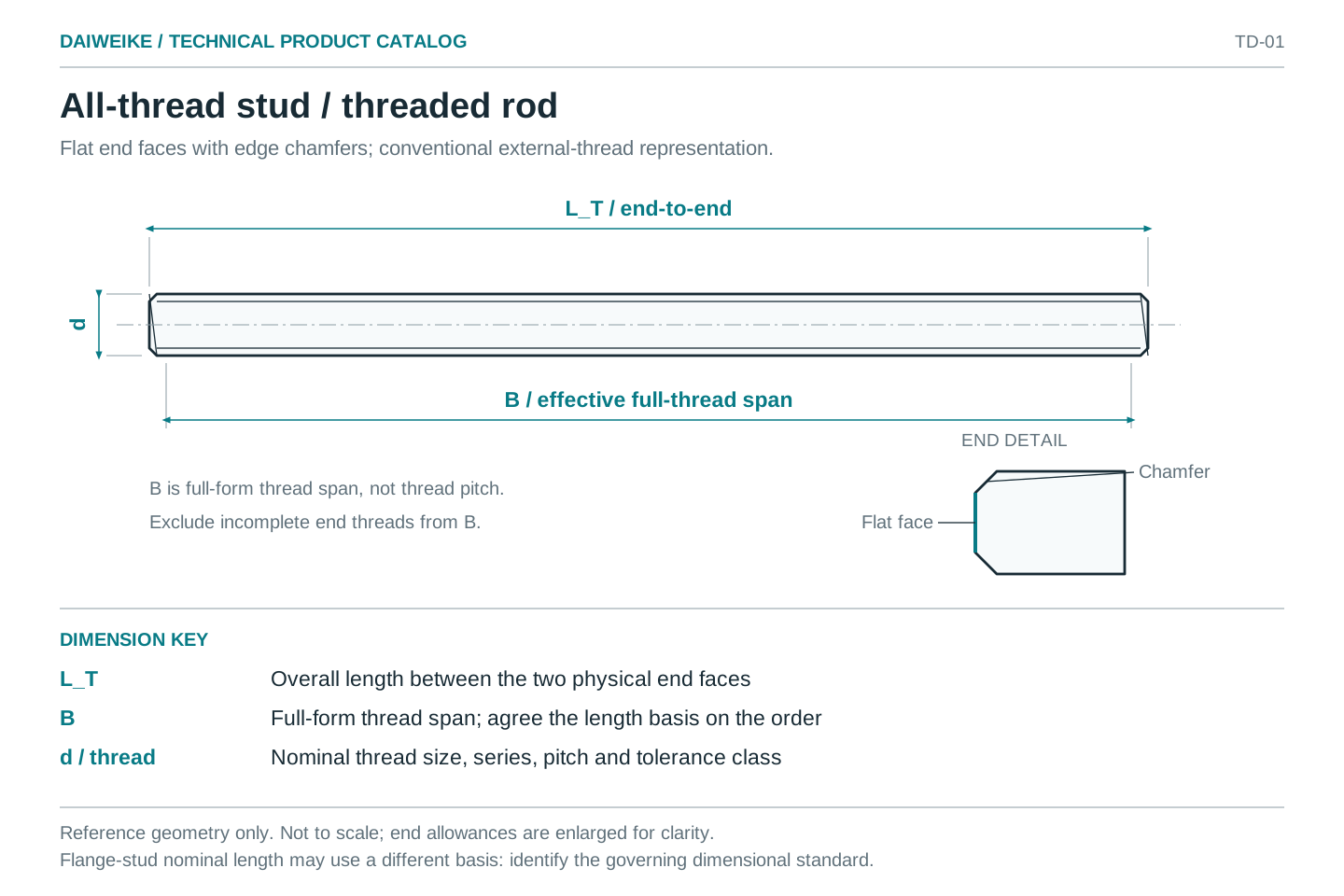
Confirm whether the drawing uses overall length,thread-to-thread length,thread length on each side,diameter,pitch,and chamfer requirement. Misunderstanding length definitions is a common cause of wrong production and site assembly issues.
CoatingPlain,black oxide,PTFE,or HDG:how to select finish
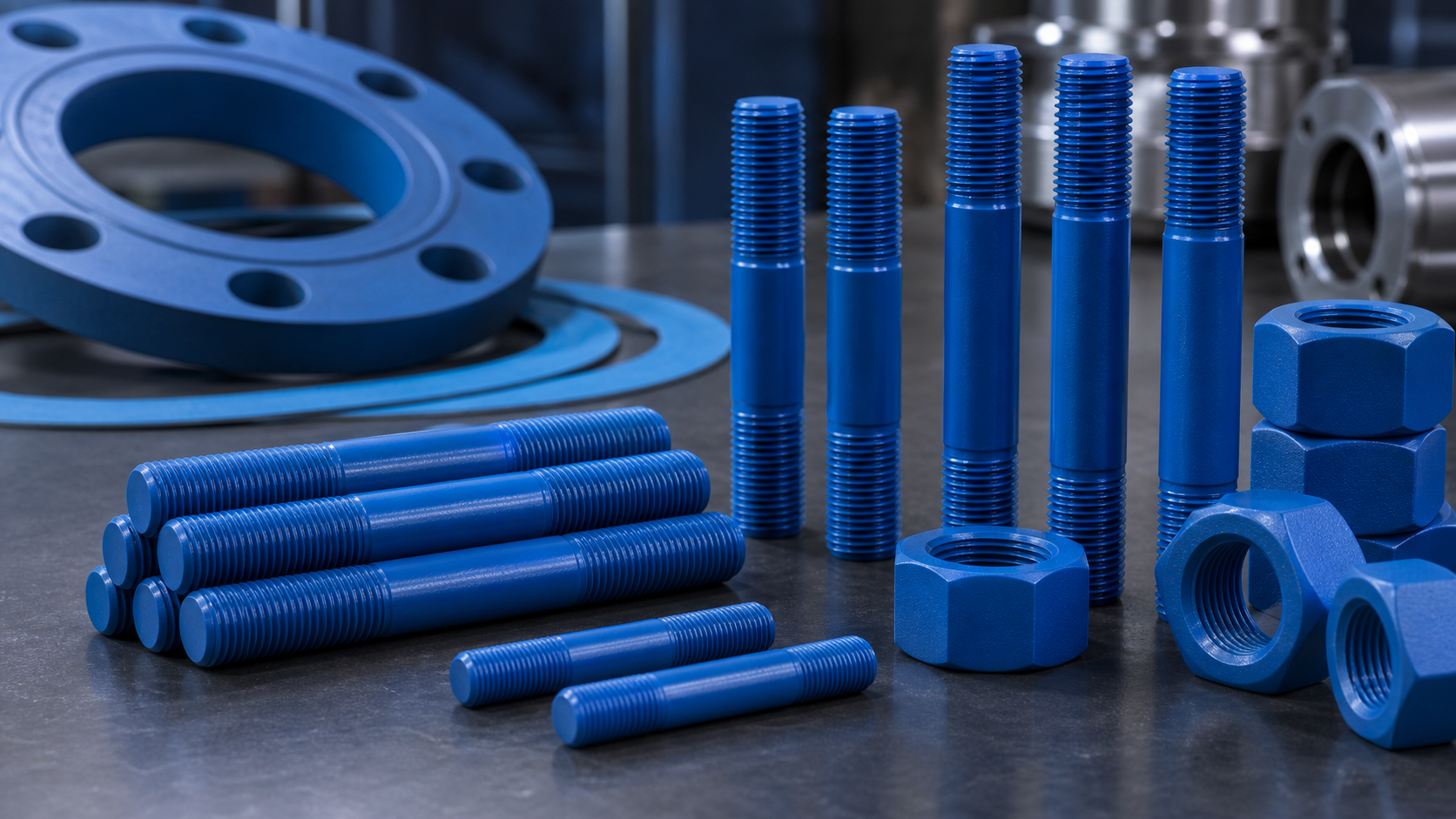
Surface treatment should be selected by corrosion environment,installation friction,thread fit,storage condition,and project specification. PTFE and hot dip galvanizing both require attention to coating thickness and nut compatibility.
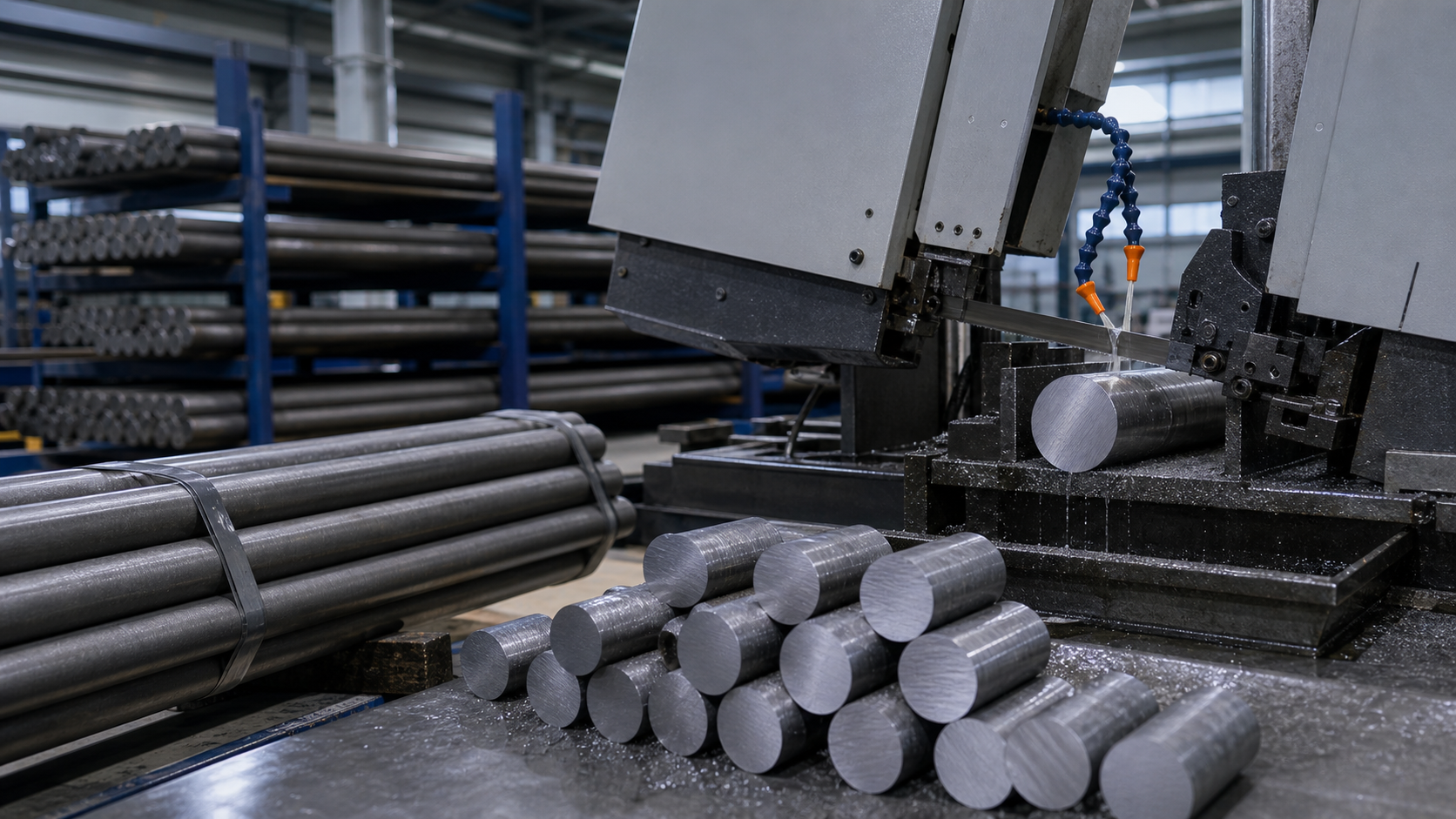
Custom ProductionCan custom stud bolt lengths be produced?
Yes,custom lengths are practical when drawings define diameter,thread pitch,length,chamfer,grade,class,finish,nut pairing,marking,and inspection documents. Custom production should start from clear technical data,not only a product name.
Nut MatchingWhich heavy hex nuts match A193 / A320 stud bolts?
ASTM A194 nuts are commonly paired with ASTM bolting materials. Typical pairings include A194 2H with B7,A194 8 with B8,and A194 8M with B8M,but final selection should follow the project specification.
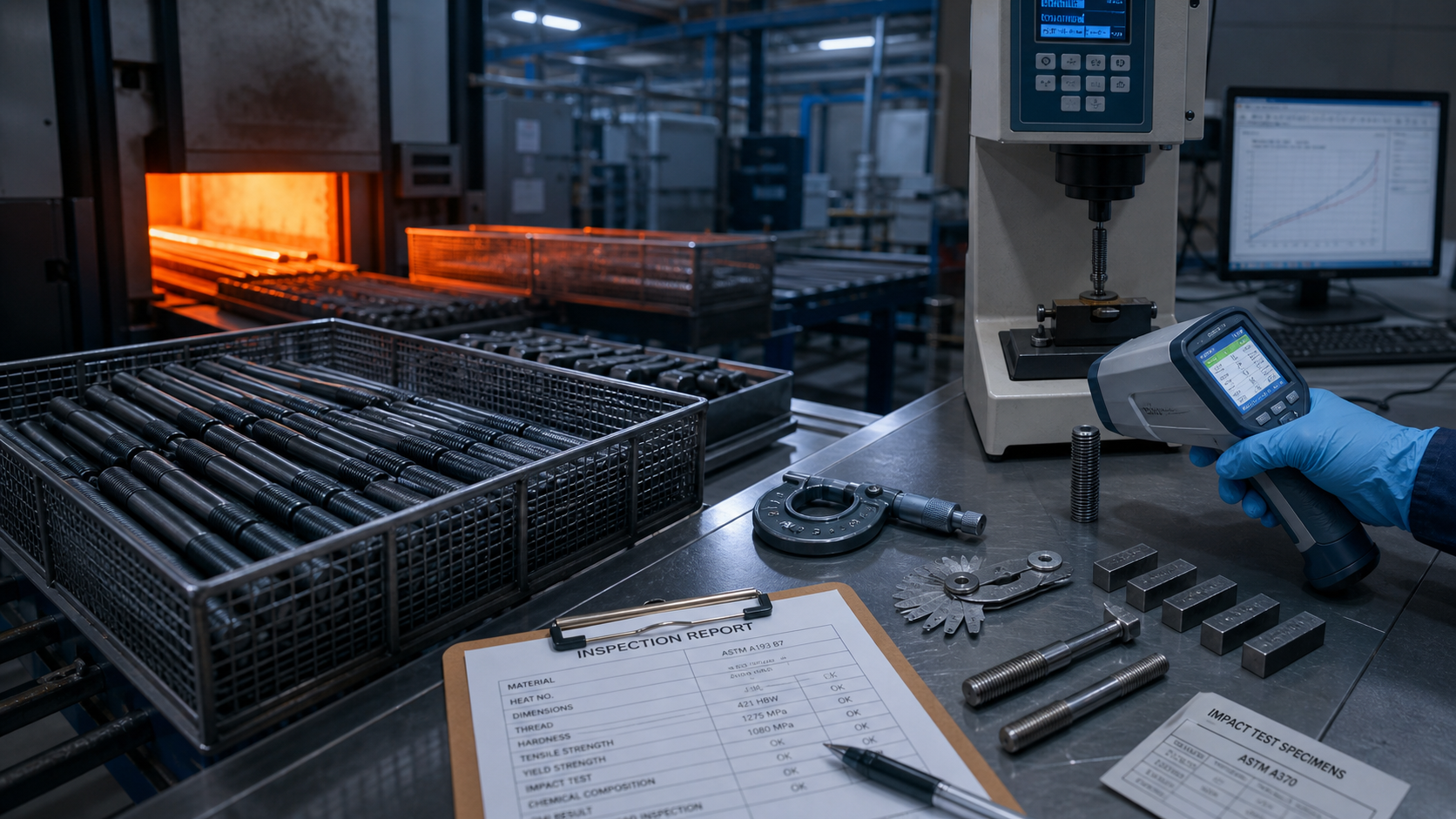
InspectionWhat inspection reports should a buyer request?
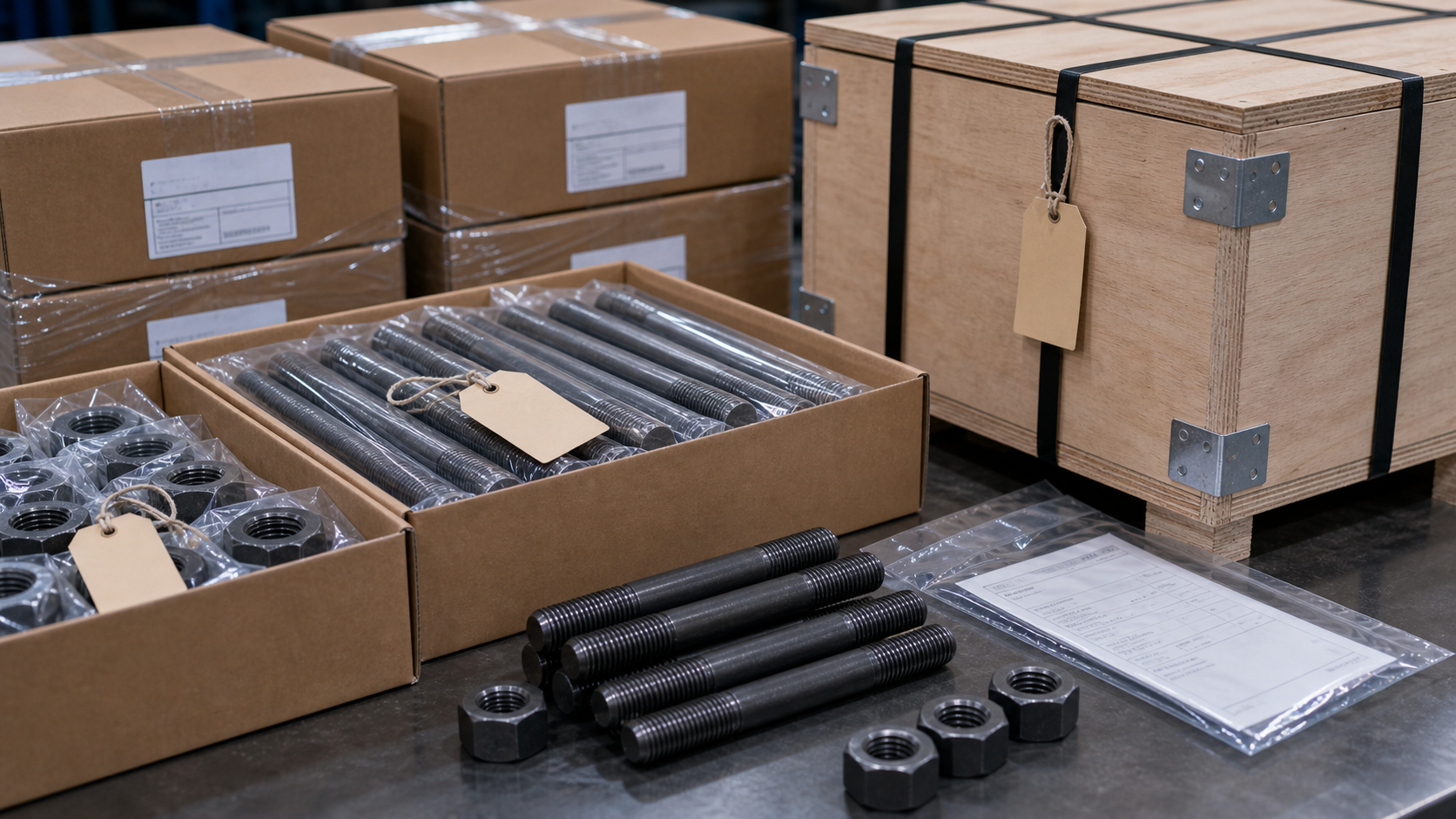
Common documents include material certificate,chemical analysis,mechanical test result,hardness,impact test when required,PMI for stainless,dimension report,thread gauge record,and heat-number traceability. Requirements vary by order and project.
ASTM A193 vs ASTM A320:application scope and purchasing meaning
ASTM A193 and ASTM A320 are both bolting material standards,but they are used in different service contexts. A193 is associated with alloy steel and stainless steel bolting materials for high-temperature or high-pressure service,such as flanges,valves,pressure vessels,and piping systems. A320 is associated with bolting materials for low-temperature service,including applications where impact performance and low-temperature suitability may matter. For purchasing,the important point is to specify the full grade and class,not just “A193” or “A320”. A buyer should also confirm nut pairing,coating,thread standard,marking,inspection documents,and the latest standard edition required by the project.
B7,B8,B8M:practical selection logic
B7,B8,and B8M serve different engineering priorities. A193 B7 is an alloy steel bolting material selected when strength and pressure service are primary. A320 B8 is based on 304 stainless steel and is used when stainless low-temperature bolting is required. A320 B8M is based on 316 stainless steel and is normally considered when corrosion resistance is more demanding,such as chloride,offshore,chemical,or coastal environments. The final choice should consider temperature,corrosion,mechanical properties,magnetic property requirements,coating,nut pairing,and project documents.
CL1 and CL2:do not treat class as a cosmetic label
Class requirements affect the material condition and mechanical property expectations of stainless bolting. In purchasing communication,CL1 and CL2 should be stated clearly because a supplier cannot safely infer the required class from the grade name alone. When a drawing or project specification states B8 CL2 or B8M CL2,the class requirement should be reflected in quotation,production route,inspection plan,and certificate review. If the class is missing from an inquiry,it is better to confirm it before production rather than assume.
Coating selection:finish affects function,not only appearance
Surface finish affects corrosion protection,handling,friction,thread fit,and installation. Plain finish is simple but needs controlled storage and timely installation. Black oxide provides appearance and light handling protection but should not be treated as heavy corrosion protection. PTFE coating is commonly used where corrosion resistance and controlled friction are important,but coating thickness and nut fit must be considered. Hot dip galvanizing provides zinc protection for outdoor service,but thread allowance and matching nut compatibility are important. Custom coatings should be reviewed against the real operating media,temperature,and assembly method.